In today’s competitive manufacturing industry, efficiency and precision are more important than ever. Manufacturers are constantly looking for ways to save time, reduce waste, and increase productivity. One technology that has proven to be a game-changer is the laser steel cutting machine. These machines offer a modern approach to cutting steel with high accuracy and speed, helping manufacturers meet their production goals effectively.
Understanding Laser Steel Cutting Machines
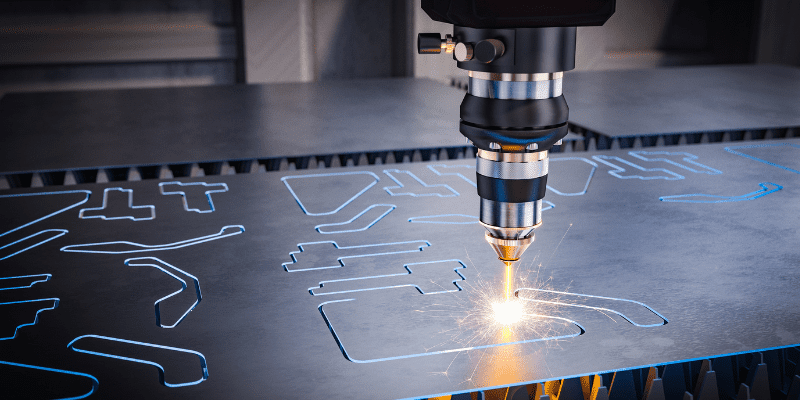
A laser steel cutting machine uses a focused beam of light to cut through steel sheets with precision. Unlike traditional cutting methods that rely on mechanical tools, laser cutting is non-contact, which means there is minimal wear and tear on the equipment. The laser melts, burns, or vaporizes the material, creating a clean and smooth cut. This technology allows manufacturers to work with complex shapes and designs that would be difficult or impossible using conventional methods.
Increased Speed and Productivity
One of the main advantages of using a laser steel cutting machine is the significant increase in production speed. Traditional cutting methods can be slow and require frequent tool changes. In contrast, a laser machine can cut steel quickly and efficiently without stopping. This high-speed operation reduces production time, allowing manufacturers to complete more orders in less time. Faster production means that businesses can respond to customer demands promptly and stay competitive in the market.
Enhanced Precision and Quality
Precision is crucial in manufacturing, especially when producing parts that need to fit together perfectly. Laser steel cutting machines provide unmatched accuracy, ensuring each cut is exact according to the design specifications. The precision reduces the need for additional finishing work, such as grinding or polishing, saving both time and labor costs. Furthermore, high-quality cuts reduce the risk of defects in the final product, which improves overall customer satisfaction and reduces waste from rejected materials.
Cost Efficiency and Material Savings
Although laser steel cutting machines may involve an initial investment, they offer long-term cost savings. These machines reduce material wastage because the cuts are precise and narrow, allowing manufacturers to maximize the use of steel sheets. Additionally, the maintenance cost is lower compared to traditional mechanical cutting tools that wear out over time. By saving materials and reducing maintenance expenses, businesses can achieve better profitability without compromising quality.
Flexibility in Manufacturing
Laser steel cutting machines are highly versatile and can handle a wide range of steel types and thicknesses. This flexibility allows manufacturers to switch between different projects without significant downtime or additional equipment. The machines can also cut complex patterns and intricate designs that would be challenging for conventional cutting methods. This capability enables businesses to offer customized products and adapt quickly to market demands, giving them a competitive edge.
Safety and Environmental Benefits
Using a laser steel cutting machine can also improve workplace safety. Since the process is automated and does not require physical contact with cutting tools, the risk of injuries is lower. Additionally, laser cutting produces less noise and dust compared to mechanical cutting, creating a healthier work environment. The precise cutting also reduces material waste, which contributes to more sustainable manufacturing practices.
Conclusion
Laser steel cutting machines have transformed modern manufacturing by providing speed, precision, and efficiency. They allow manufacturers to increase productivity, reduce material waste, and maintain high-quality standards while lowering long-term costs. With their flexibility and safety advantages, these machines are an essential investment for any business aiming to improve efficiency and stay competitive. Embracing laser steel cutting technology ensures that manufacturers can meet growing demands while maintaining superior product quality.