
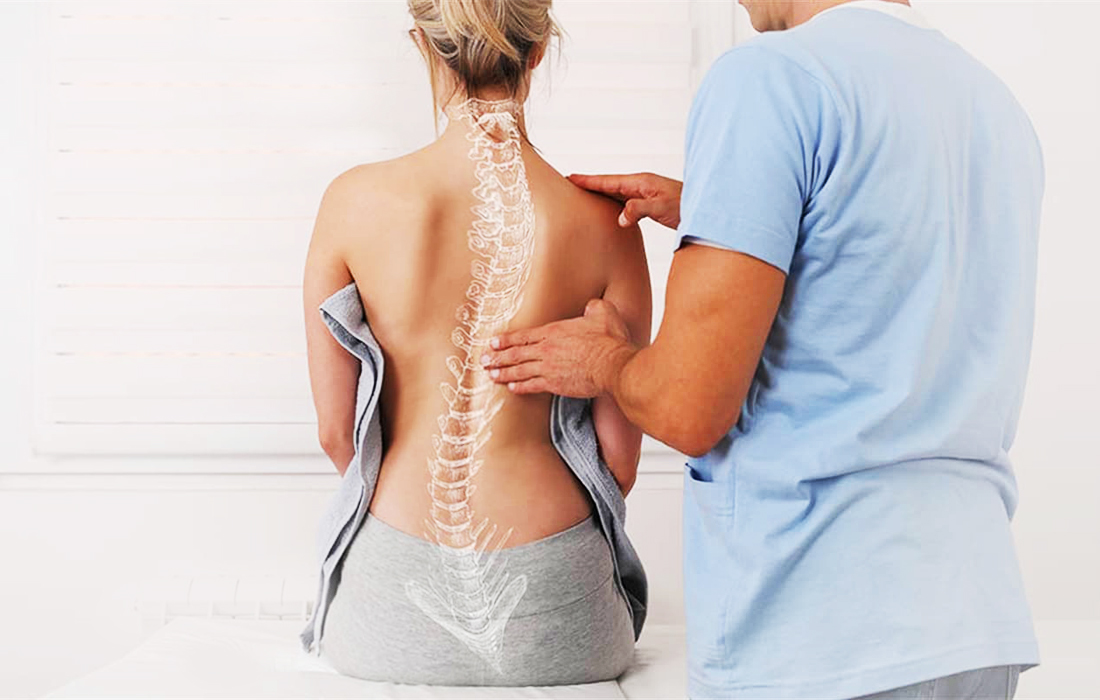
Spine deformities, such as scoliosis or kyphosis, can greatly affect a person’s daily life. They may cause chronic pain, difficulty in movement, and reduced overall quality of life. Fortunately, advances in medical technology have made it possible to treat these conditions with less pain and faster recovery. One such treatment is minimally invasive spine deformity surgery, which is designed to correct spinal alignment while reducing the impact on the body. This article explains how this type of surgery works and how it can help patients regain comfort and mobility.
Understanding Minimally Invasive Spine Deformity Surgery
Minimally invasive spine deformity surgery is a technique where surgeons make small incisions rather than large cuts to access the spine. Special instruments and cameras are used to perform the surgery with precision. This approach allows the surgeon to correct the spine’s shape while avoiding extensive damage to muscles and tissues. Unlike traditional open surgery, which requires longer recovery time and often causes more pain, minimally invasive methods are designed to be gentler on the body.
Benefits of the Surgery
One of the main advantages of minimally invasive spine deformity surgery is faster recovery. Because the procedure reduces muscle and tissue damage, patients experience less pain after surgery and can return to normal activities sooner. Additionally, the risk of complications such as infections or excessive blood loss is lower compared to traditional surgery. Patients also benefit from smaller scars, which can improve cosmetic outcomes. Beyond physical recovery, the surgery can significantly enhance quality of life by reducing chronic pain and restoring mobility.
Who Can Benefit From the Surgery
This type of surgery is often recommended for patients with conditions like scoliosis, kyphosis, or other spinal deformities that affect posture and daily functioning. People who have tried non-surgical treatments such as physical therapy, medications, or braces but continue to experience pain or difficulty moving may be suitable candidates. A thorough medical evaluation is required to determine if minimally invasive spine deformity surgery is appropriate, taking into account the patient’s overall health and the severity of the spinal deformity.
The Recovery Process
Recovery after minimally invasive spine surgery is generally quicker and less painful than traditional methods. Most patients are encouraged to start walking soon after the surgery, which helps improve circulation and reduces the risk of complications. Physical therapy may also be recommended to strengthen muscles and improve flexibility. While every patient’s recovery time is different, many people can return to work and daily activities within a few weeks. Follow-up appointments are essential to monitor healing and ensure that the spine is properly aligned.
Improving Long-Term Function and Comfort
The ultimate goal of minimally invasive spine deformity surgery is to restore function and comfort. By correcting spinal alignment, patients can experience better posture, reduced pain, and increased mobility. This improvement can make everyday tasks, such as walking, sitting, and lifting objects, much easier. Many patients also report improved confidence and quality of life because they can move freely without discomfort. Long-term success depends on following post-surgery care instructions, including physical therapy and lifestyle adjustments that support spinal health.
Conclusion
Minimally invasive spine deformity surgery is a modern and effective solution for people struggling with spinal deformities. It offers the benefits of less pain, faster recovery, and improved quality of life compared to traditional surgery. By restoring spinal alignment and function, this procedure helps patients regain comfort and enjoy everyday activities once again. For those experiencing chronic pain or mobility issues due to spine deformities, discussing the option of minimally invasive surgery with a qualified spine specialist may be a life-changing decision.