
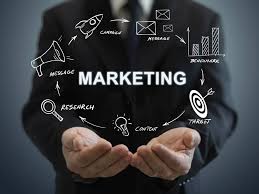
What is Marketing?
Marketing is the process of generating messages that bring people to a brand’s products or services. In simple words, the goal in marketing is to make people want to purchase your product and to keep people aware that you exist.
From boosting brand awareness and driving traffic, to boosting the flow of traffic, establishing trust, and evaluating outcomes, e-marketing is a crucial aspect of any company which wishes to grow.
- Marketing is the process of generating value for an organisation by the development, distribution and promotion of goods or services.
- Marketing encompasses all the steps from initial market research to the final sale.
- Marketing also has a role in the management of customer relations for an organisation.
- The aim of a strategy for marketing strategy is to increase demand for the company’s goods or services, and also to increase brand recognition. Every activity a company undertakes to draw people to its products or services by delivering high-quality messages is referred to as marketing.
- Marketing refers to the longer-term goal of demonstrating the value of products and enhancing brand awareness by generating leads, growing brand loyalty, and increasing the number of conversions.
What are the four Ps of marketing?
The marketing mix, also known as the 4Ps of Marketing, is a reference to the 4Ps listed below.
1. Product
The first step of any marketing strategy is to determine what items or services you’re seeking to promote. What requirements does it meet? What is its distinctness from other products in the market? What are its distinctive benefits?
Product is the type of service or product the business plans to sell. The purpose of the product is to fill gaps in the marketplace or to meet the demand of consumers for a larger quantity of an existing item.
Brands should first know the kind of product being sold, how it differentiates itself from competitors, whether it can be integrated with another line of product and if there are similar alternatives that are available before they can design an effective marketing campaign.
2. Price
Once the product is identified, the second step would be to determine an amount. The price should be sufficient to pay for the costs of production, but sufficient to attract the market you intend to target.
To establish a fair cost for the product, the marketing department will research the prices of competitors and utilise polls and focus groups in order to determine the price your ideal client will pay.
If your cost is too high, it could result in losing potential customers. If your price is not enough, then you may lose money. It is important to remember that price isn’t just the money buyers pay for the item, but also the time, effort and money they spend to acquire it.
3. Place
Once we have the product and price, then the next thing to do is to figure out what the location where it will be offered. This choice should consider the intended market as well as the competition and the distribution capabilities of the company.
If, for instance, you’re selling a high-end product, you’ll need to offer it in high-end shops. However, if you’re selling an ass-market product, it’s best to offer it in grocery stores as well as other places where people are already familiar with buying products.
4. Promotion
The last step of the process of marketing process involves promotion. This is the method by which you’ll promote your product’s message all over the globe. Numerous channels are available for promotion, such as public relations, advertising, social media, the personal sales.
Your marketing team must figure out which channels work best for your product and market. They must also develop messages that are simple as well as concise and intriguing enough to draw the attention of people.
Marketing is a crucial aspect of any company which wants to grow. If you know the four factors of a successful marketing campaign, you will be able to develop a successful campaign which will assist you in reaching your objectives.
Different types of marketing
In general, two major kinds are part of Marketing, and marketing can be divided into two distinct categories.
- Traditional Marketing
- Digital Marketing
Let’s delve a little deeper to understand every one of them more deeply-
1. Traditional Marketing
Traditional marketing is any kind of marketing which is carried out offline. This includes techniques for marketing like print ads, direct mail, commercials on TV, radio advertisements, and many others.
Below are some types of traditional marketing
Outdoor marketing: Outdoor marketing refers to any type of advertisement that is aimed at consumers who are not in their homes. It can include techniques like billboards, bus stop advertisements, as well as flyers and other materials.
Print marketing – Marketing via Print Media is a form of traditional marketing which makes use of printed materials to communicate with consumers. It can be done using techniques like magazines, newspapers, direct mail, and much more. Direct marketing entails sending out marketing messages directly to the consumer. It could be done through mail via email, phone or via text message.
Electronic marketing. The strategy of electronic marketing makes use of electronic devices to connect with customers. It involves techniques like advertisements on TV, radio and more. Event marketing is a form of traditional marketing which involves organising or participating in events to promote a product or service. It could involve events like trade shows, conventions and much more.
2. Digital Marketing
Digital marketing is a type of marketing conducted on the internet. Internet marketing encompasses marketing strategies including website advertisements, social media, ads on websites, and many more.
Here are a few kinds of online marketing. We will look into each of these channels of a highly effective digital marketing strategy. The following are the types of digital marketing.g
- Search engine marketing uses search engines to connect with customers. It can include techniques such as advertisements that pay per click or sponsored results, and much more.
- Search engine optimisation or Search engine optimisation is the process of increasing the visibility of websites through search engines. It involves techniques like search engine optimisation, link building and much more.
- Marketing on social media. The concept of social media marketing is designed to make use of social media platforms in order to reach customers. It involves techniques like making and sharing content, displaying ads, and many more.
- Content marketing. The department of content marketing in digital marketing is responsible for creating and sharing content to connect with customers. Content marketing can be videos, blog posts, infographics and more.
- Affiliate marketing, or Marketing through affiliates, is one form of digital marketing that involves the promotion of products or services for another company. It may involve referral links, discounts and much more.
- Email marketing is the use of email to connect with customers to generate leads and maximise positive results for the sales strategy. It could include sending out emails, promotions and much more.
- Native advertising Native marketing, is one kind of digital marketing which involves making use of native ads in order to reach the public. Native ads have a similar format to the content they’re showing.
8. Display advertising. Display advertising can be effective by using ads on display to attract consumers, advertise an item or service, and increase conversions. Display ads appear on apps, websites and other platforms.
9. Video Marketing Video Marketing is a kind of digital marketing that entails making use of videos to improve the presence of your brand, attract customers and boost sales. It could involve creating or sharing video, running ads and much more.
Additionally, some other marketing techniques that are very well-known include:
- Inbound marketing is a form of marketing that is focused on the ability to draw customers towards a company by various methods. It covers techniques like search engine optimisation, content marketing and much more.
- Outbound Marketing Outbound Marketing is a kind of marketing that aims to reach customers via various methods. It can include techniques like marketing, cold calling and many other methods.
- Guerrilla Marketing Guerrilla marketing is a kind of marketing that utilises unusual methods to reach out to the public. It could include street performances, flash mobs, and much more.
- Relationship Marketing – Relationship marketing can be described as one type of marketing which focuses on maintaining and building connections with your customers. It could be used to create loyalty programmes, provide customer service and many more.
- Word of Mouth Marketing – Word of mouth marketing is one type of marketing that makes use of word-of-mouth as a way to connect with customers. It may involve the use of social media as well as referrals and other methods. A successful word-of-mouth marketing strategy is the basis of marketing campaigns that are viral.
The benefits of marketing
Marketing is a crucial aspect of every business and has numerous benefits that come with it. Some of the advantages of marketing include:
- Promoting a product or service. A major goal of marketing ha to advertise an item or service. With various methods of marketing that businesses employ, they can get their message across to a wider public and increase awareness of their service or product.
- Produces leads and audience Marketing has another benefit – one of the benefits is that it assists in generating leads. Through various methods of marketing, companies can draw prospective customers and turn leads.
- Establishes relationships – Marketing aids in building relations with its customers. Through relationship marketing, companies are able to build a loyal customer base.
- Brand awareness is created – A further reason to consider marketing is the ability to build brand recognition. With a well-planned marketing strategy, businesses are able to increase their reach and raise awareness about their brand.
- Aids in making decisions. Marketing can also assist companies in making better choices. Through marketing research, businesses can collect data and knowledge about their intended market. This information can later be used to help make informed choices regarding the service or product.
- Increases revenue and sales. The primary goals in marketing are to boost revenue and sales. Through various marketing strategies, companies can connect with a wider market and increase sales.
- Markethelps boosts business growth. Marketing can also help businesses increase their growth. By using the right strategies for marketing, businesses are able to get their message across to a wider market and raise awareness of their products or services. This could lead to an increase in revenues and sales, which could help businesses expand.
- Improves brand image – A further positive effect of advertising is the fact that it aids in improving the image of the brand. Marketing helps businesses build a positive image in the eyes of potential customers.
- Helps to compete – Marketing assists businesses in gaining a foothold in the marketplace. Businesses can reach out to a wider public and increase awareness of their products or services through efficient marketing management. This will help them be competitive with other companies in the marketplace.
- Marketing aids in expansion – It can also help businesses expand. Companies that implement a well-planned marketing strategy optimise their
- process of selling goods or services to increase their business and market reach.
Limitations of Marketing
Marketing is an essential element of any company; however, it has its own limitations. A few of the shortcomings of marketing are:
- Time-consuming. The biggest drawback in marketing is the fact that it is time-consuming. Marketing requires planning and execution, which can consume quite a long time.
- A major drawback in marketing ithat s it can be expensive. Marketing requires funds to develop and execute marketing strategies.
- Manpower is required for marketing – It also requires personnel. Marketing campaigns have to be planned and implemented by individuals.
- Uncertainty of success. One of the weaknesses of marketing campaigns is it there is no assurance of achievement. Marketing campaigns aren’t guaranteed to be successful and might not yield the desired outcomes.
- It could be a negative image. A further drawback to marketing campaigns is that they can result in negative images. If a marketing campaign for marketingcampaign is not executed correctly, it can result in a negative perception of the company.
- Oversaturation: So many businesses use marketing that it’s become saturated. This means that there’s plenty of competition, and it’s hard to distinguish yourself from the rest.
- Could lead to unrealistic expectations. Marketing can also cause unrealistic expectations. If a service or product is highly advertised, customers might have unrealistic expectations of the product or service.
The purpose of marketing
Marketing’s primary goal is to build and sustain customer relationships. The process behind marketing is generating value for the company by establishing and maintaining relationships with its customers. Marketing helps to find the need to attract, keep, and increase the number of customers.
Are marketing and advertising similar or different?
The words “marketing” as well as “advertising” are frequently used interchangeably; however, they are two distinct concepts. Advertising is only one aspect of marketing. It’s a type of communication which is utilised to promote a particular product or service.
Also, read about Brand Consistency Definition, Importance, and examples.
Marketing, on the other hand, is a broad concept that encompasses all the actions a business can take to advertise the products or services it offers. Marketing encompasses activities like market research and product development, marketing and sales.
Advertising is an element of marketing, but it’s but one of the many aspects marketing encompasses. Marketing is a broader concept that includes all the actions an organisation does to market its product or service.
Needed Qualities for Marketing
Certain characteristics are required to be a successful marketer. Some of the characteristics required for marketing include:
- Communication skills that are good One of the attributes required in marketing is the ability to communicate. Marketing is about dealing with customers, so excellent communication skills are required.
- Affirmative – Another characteristic required for marketing is being forward-looking. Marketing is about analysing developments and making plans according to them.
- Strategic thinking is an additional aspect that determines the quality of marketing for the brand. Marketing requires planning and, as such, the need for strategic thinking.
- Analytical abilities – Analytical abilities are essential for achieving goals in marketing. Marketing involves analysing data, and therefore, it is imperative to have analytical skills.
- Creative thinking – Creativity is a different skill essential in marketing. Marketing demands fresh and creative ideas, and therefore, a creative mind is essential.
- Consumer-centric – One quality essential to increasing the brand’s loyalty is to be customer-centric. Marketing is about the customer, and therefore, the marketing professional has to focus on the client.
Why is Marketing91 focused on Marketing?
Marketing is a talent and should be understood by everyone, but especially people looking to increase the size of their company. That’s why marketing91 concentrates on marketing.
Marketing91 is a website which offers information on marketing as well as resources and advice. The site covers every aspect of marketing, such as conducting market research, business and sales strategies, to analysing outcomes. It is an invaluable source for marketing professionals as well as businesses.